
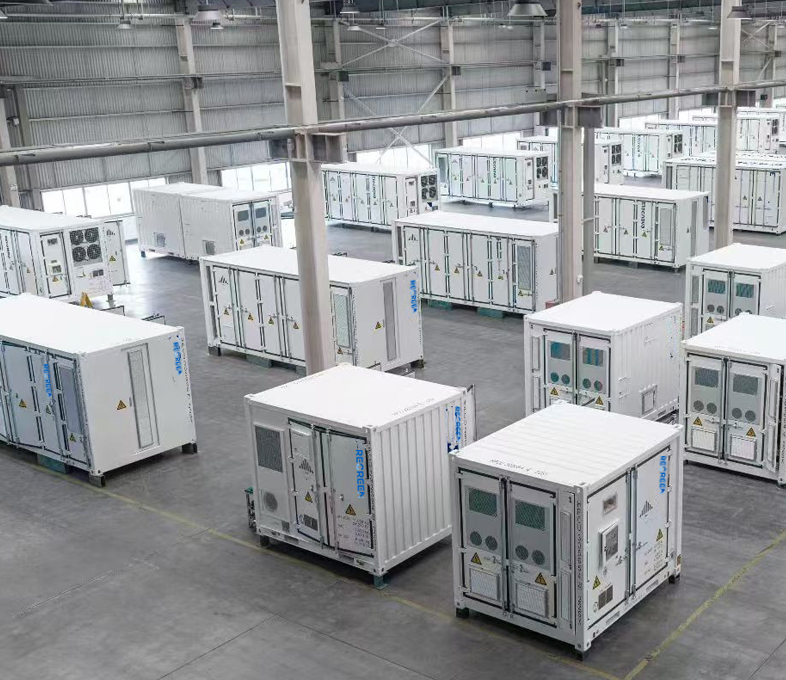
A Complete Guide to Smarter Energy Management for Modern Businesses
As energy costs continue to rise and power systems become increasingly complex, businesses are looking for new ways to improve energy efficiency, reduce operational expenses, and ensure uninterrupted power availability.
This is where Commercial and Industrial (C&I) Energy Storage Systems play a critical role.
From manufacturing facilities and logistics centers to EV charging stations, shopping malls, and office buildings, energy storage is becoming one of the most important investments for companies seeking greater energy resilience and long-term cost savings.
What Is a Commercial and Industrial Energy Storage System?
A Commercial and Industrial Energy Storage System (C&I ESS) is a battery-based energy solution designed to store electricity and deliver it when and where it is needed.
Unlike residential batteries, C&I systems are built to handle larger energy demands, support critical business operations, and integrate with complex energy infrastructures.
A typical C&I ESS includes:
- Battery Energy Storage System (BESS)
- Battery Management System (BMS)
- Power Conversion System (PCS)
- Energy Management System (EMS)
- Thermal Management System
- Fire Protection System
- Monitoring & Communication Platform
Together, these components create an intelligent energy platform capable of optimizing energy consumption, improving power reliability, and supporting renewable energy integration.
How Does a C&I Energy Storage System Work?
Energy storage systems operate by charging batteries when electricity is abundant or inexpensive and discharging stored energy when demand increases or electricity prices rise.
The system continuously analyzes:
- Facility energy consumption
- Utility tariffs
- Solar generation output
- Battery state of charge
- Grid conditions
Through intelligent energy management, the system automatically determines the most efficient charging and discharging strategy.
This allows businesses to optimize energy costs while improving operational stability.
Why Are Businesses Investing in Energy Storage?
Energy storage is no longer simply about storing electricity.
Modern businesses are using ESS platforms to solve multiple operational challenges simultaneously.
Reduce Electricity Costs
Many commercial facilities pay significant demand charges based on peak power consumption.
Energy storage helps:
- Reduce peak demand
- Shift energy consumption
- Lower electricity bills
- Improve energy cost predictability
This application is commonly known as Peak Shaving.
Improve Power Reliability
Even short power interruptions can result in:
- Production losses
- Equipment shutdowns
- Data loss
- Customer service disruptions
Energy storage provides an additional layer of protection by supporting critical loads when grid power becomes unstable or unavailable.
Maximize Solar Energy Utilization
Businesses investing in solar PV often generate excess electricity during the day.
Without storage, surplus solar energy may be exported back to the grid at reduced value.
Energy storage allows businesses to:
- Store excess solar generation
- Increase self-consumption
- Reduce grid dependence
- Improve solar ROI
Backup Power & Business Continuity
Keep Critical Operations Running During Grid Outages
Power outages can have significant consequences for commercial and industrial facilities.
A C&I Energy Storage System can automatically provide backup power to support essential operations when utility power is interrupted.
Benefits Include:
- Minimized operational downtime
- Improved business continuity
- Protection of critical equipment
- Reduced generator dependence
- Enhanced energy resilience
Common Backup Power Applications
- Manufacturing Facilities
- Data Centers
- Hospitals
- Commercial Buildings
- Telecom Infrastructure
- Warehouses
- EV Charging Stations
For many businesses, the cost of downtime far exceeds the cost of electricity itself.
Microgrid Energy Solutions
Building More Independent and Resilient Energy Systems
A microgrid is a localized energy network capable of operating independently or alongside the utility grid.
Energy storage serves as the central component of modern microgrid architecture by balancing energy generation, storage, and consumption.
The ESS can coordinate:
- Solar PV Systems
- Wind Power
- Diesel Generators
- Utility Grid Power
- EV Charging Infrastructure
- Critical Facility Loads
Benefits of Microgrid Deployment
- Greater energy independence
- Enhanced power reliability
- Renewable energy integration
- Improved grid resilience
- Reduced fuel consumption
- Optimized energy dispatch
Microgrids are increasingly deployed across industrial parks, campuses, remote communities, mining sites, and renewable energy projects.
Supporting EV Charging Infrastructure
As EV adoption accelerates, charging infrastructure places increasing pressure on local electrical grids.
Energy storage can help charging operators:
- Reduce grid upgrade costs
- Support fast charging deployment
- Improve charging reliability
- Optimize electricity consumption
- Integrate solar generation
This makes ESS an essential component of future EV charging ecosystems.
Typical C&I Energy Storage Applications
Manufacturing Facilities
Reduce energy costs and maintain production continuity.
Commercial Buildings
Optimize electricity usage and support backup power requirements.
EV Charging Stations
Improve charging stability and reduce peak demand charges.
Logistics & Warehousing
Support mission-critical operations and reduce operational costs.
Industrial Parks
Enable centralized energy management and renewable integration.
Renewable Energy Projects
Improve solar and wind utilization through energy storage.
How to Choose the Right C&I Energy Storage System
When evaluating commercial energy storage solutions, businesses should consider:
Energy Capacity (kWh / MWh)
How much energy needs to be stored?
Power Output (kW)
How quickly must the system charge or discharge?
Scalability
Can the system expand as future energy demand grows?
Safety Design
Does the system include advanced fire protection and thermal management?
System Compatibility
Can it integrate with existing solar, PCS, EMS, or charging infrastructure?
Long-Term Reliability
What is the expected lifecycle and maintenance requirement?
Selecting the right system ensures maximum return on investment and operational performance.
The Future of Commercial Energy Storage
Energy storage is rapidly becoming a cornerstone of modern energy infrastructure.
As businesses pursue:
- Carbon reduction goals
- Energy cost optimization
- Renewable energy adoption
- Electrification strategies
- EV charging deployment
C&I Energy Storage Systems will play an increasingly important role in delivering reliable, efficient, and intelligent energy management.
The future of energy is not simply generating power—it’s managing power more intelligently.
Conclusion
Commercial and Industrial Energy Storage Systems help businesses gain greater control over energy consumption, improve power reliability, support renewable integration, and reduce operating costs.
Whether your goal is peak shaving, backup power, microgrid deployment, or EV charging optimization, energy storage provides a flexible and future-ready solution for modern commercial operations.
Ready to Explore Energy Storage for Your Business?
Let’s Build a Smarter Energy Future Together
Looking for the right energy storage solution for your project?
Recreen provides customized commercial and industrial energy storage systems designed for:
✅ Peak Shaving & Demand Charge Reduction
✅ Backup Power & Business Continuity
✅ Solar + Storage Integration
✅ EV Charging Infrastructure
✅ Microgrid Applications
✅ Industrial & Commercial Energy Management
Talk to Our Energy Storage Experts
Contact us today to discuss your project requirements and discover the best ESS solution for your business.
Request a Free Consultation
- Project Assessment
- System Configuration Recommendations
- ROI Analysis Support
- Technical Consultation
- OEM / ODM Cooperation
Start Your Energy Storage Journey With Recreen Today.